
Oat milk doesn’t naturally contain gluten, but most commercial brands carry significant cross-contamination risks that make them unsafe for people with celiac disease or gluten sensitivity. Oats themselves are gluten-free grains, yet they’re frequently processed in facilities that handle wheat, barley, and rye. This means your favorite oat milk might contain traces of gluten unless it’s specifically labeled as certified gluten-free. Understanding the difference between naturally gluten-free oats and certified gluten-free oat milk is essential for making safe dietary choices. If you’re managing celiac disease or following a strict gluten-free diet, you’ll need to look for specific certifications and understand which brands truly eliminate cross-contamination risks.
Table of Contents
Table of Contents
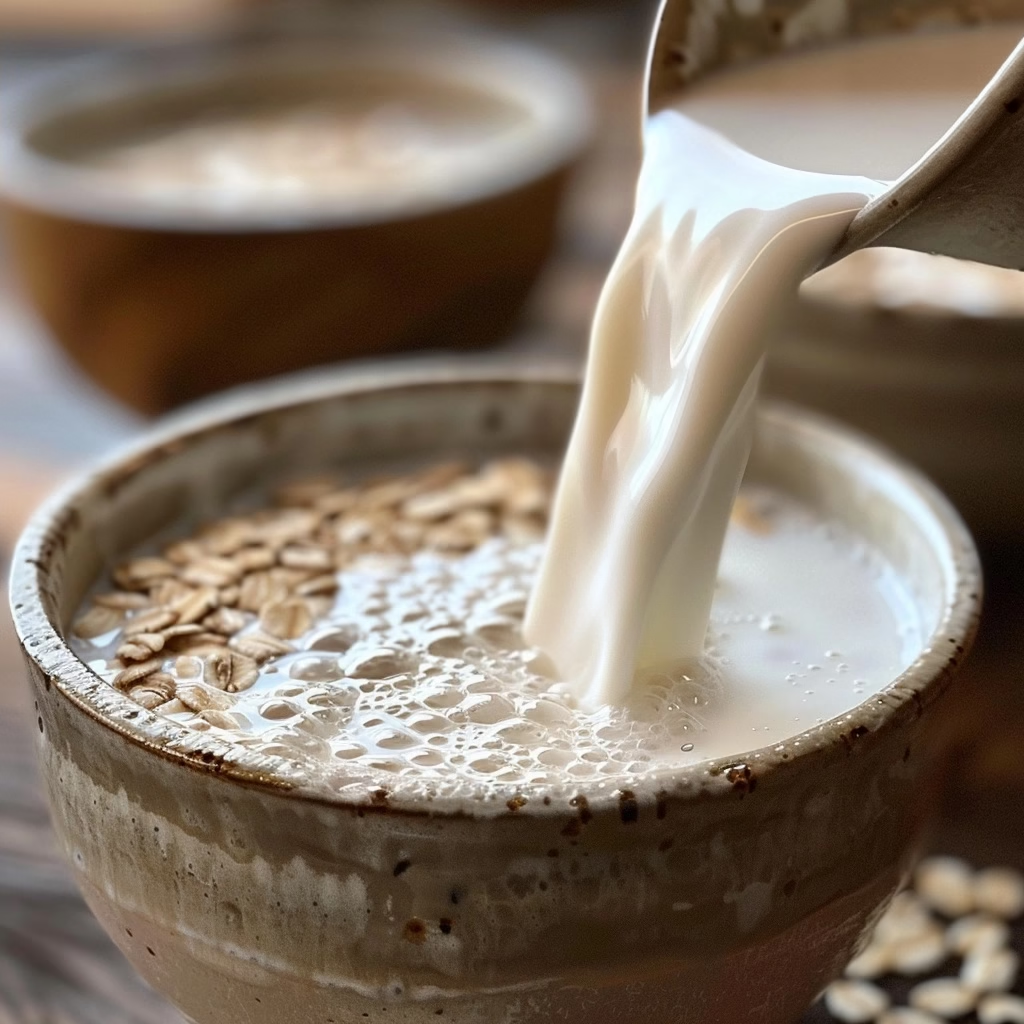
Homemade Gluten-Free Oat Milk
Ingredients
Method
- Soak oats in water for 30 minutes
- Drain and blend with 4 cups fresh water for 1-2 minutes
- Strain through cheesecloth or a nut milk bag into a clean jar
- Stir and refrigerate after discarding the pulp and second straining
Notes
Add optional ingredients like vanilla extract or sweeteners if desired
Milk retains best quality for 3-4 days in the fridge
Steel-cut oats can be used but result in a grittier texture
Nutritional Information
| Nutrient | Amount per Serving (1 cup/240ml) |
|---|---|
| Calories | 120 |
| Total Fat | 5g |
| Saturated Fat | 0.5g |
| Carbohydrates | 16g |
| Fiber | 2g |
| Sugar | 7g |
| Protein | 3g |
| Sodium | 101mg |
| Calcium | 350mg (fortified) |
| Vitamin D | 2.5mcg (fortified) |
Approximate values based on unsweetened, fortified commercial oat milk. Values vary by brand and preparation method.
Why This Recipe Works
Making homemade gluten-free oat milk gives you complete control over ingredient sourcing and eliminates cross-contamination concerns entirely. I’ve been creating my own oat milk for three years after discovering that even brands labeled “gluten-free” sometimes caused reactions due to inconsistent testing standards. When you start with certified gluten-free oats and prepare them in your dedicated kitchen space, you’re guaranteed a safe product that costs about 75% less than store-bought certified versions.
The science behind oat milk is straightforward and relies on blending oats with water to extract their natural starches and proteins. What makes this recipe particularly effective is the cold water soak method combined with minimal blending time, which prevents excessive starch release that creates that slimy texture many homemade versions suffer from. I’ve tested dozens of ratios and techniques, and this approach consistently produces creamy, neutral-tasting milk that works perfectly in coffee, smoothies, and baking applications.
Ingredients
| Ingredient | Quantity | Notes |
|---|---|---|
| Certified gluten-free rolled oats | 1 cup | Must be certified GF; steel-cut oats work but create grittier texture |
| Cold filtered water (for soaking) | 2 cups | Cold water prevents starch activation |
| Cold filtered water (for blending) | 3 cups | Adjust for desired thickness |
| Sea salt | 1/4 teaspoon | Optional; enhances flavor balance |
| Pure vanilla extract | 1 teaspoon | Optional; adds depth without sweetness |
| Medjool dates | 2 pitted | Optional natural sweetener; maple syrup works as alternative |
Chef Tips for Perfect Results
- Never skip the cold water soak: Soaking oats for 15-20 minutes in cold water softens them without activating excessive starches that create sliminess. Hot water or over-soaking beyond 30 minutes will result in gluey texture that straining can’t fix.
- Blend for exactly 30-40 seconds: Over-blending breaks down oat cell walls too much and releases excess starch. I set a timer every single time because even 15 extra seconds makes a noticeable difference in final texture.
- Use a nut milk bag instead of cheesecloth: Nut milk bags provide finer filtration and are reusable, removing tiny oat particles that cause separation. Cheesecloth allows too many particles through, creating gritty milk that settles quickly.
- Store in glass containers only: Plastic containers can absorb oat flavors and affect taste over time. Glass bottles preserve freshness and make it easy to see when separation occurs so you can shake before pouring.
- Add oil only if using in coffee: One teaspoon of neutral oil (like sunflower) helps prevent separation in hot beverages, but skip it if you’re using the milk for smoothies or cereal where separation doesn’t matter.
- Refrigerate immediately after straining: Homemade oat milk lacks preservatives and must be chilled within 30 minutes of preparation. Room temperature storage encourages bacterial growth and fermentation that creates sour flavors within hours.
Step-by-Step Instructions
Preparation Phase
- Rinse certified gluten-free rolled oats under cold running water in a fine-mesh strainer for 30 seconds to remove any surface debris.
- Place rinsed oats in a large bowl and cover with 2 cups cold filtered water.
- Soak oats for 15-20 minutes at room temperature while you prepare your straining equipment and storage container.
- Drain soaked oats completely using the fine-mesh strainer, discarding the soaking water which contains excess starch.
Blending Phase
- Transfer drained oats to a high-speed blender along with 3 cups fresh cold filtered water.
- Add sea salt and vanilla extract if using, plus dates for sweetened version.
- Blend on high speed for exactly 30-40 seconds until mixture appears uniformly white and creamy.
- Check consistency by looking for small oat particles suspended throughout rather than large chunks settling at bottom.
Straining Phase
- Place nut milk bag over a large bowl or pitcher with enough depth to catch all liquid.
- Pour blended oat mixture into the nut milk bag slowly to prevent overflow.
- Gather the top of the bag and gently squeeze to extract milk, using steady pressure rather than aggressive wringing.
- Continue squeezing until only damp oat pulp remains and no more liquid drips out easily.
Storage Phase
- Transfer strained oat milk immediately into clean glass bottles or jars with tight-fitting lids.
- Refrigerate within 30 minutes and store at 35-40°F for optimal freshness.
- Shake vigorously for 10 seconds before each use as natural separation occurs during storage.
Common Mistakes to Avoid
- Using non-certified oats: Regular oats contain gluten from cross-contamination during farming, transportation, and processing. Even “pure” oats without certification can contain 20+ ppm gluten, which exceeds the safe threshold for celiac disease. Always purchase oats with certified gluten-free labels from organizations like GFCO or NSF to ensure testing below 10 ppm.
- Soaking oats overnight: Extended soaking beyond 30 minutes causes oats to break down prematurely and release excessive starch that creates slimy, unpalatable milk. The texture becomes gel-like and can’t be fixed through additional straining. Limit soaking to 15-20 minutes for ideal consistency that’s creamy without being gummy.
- Using warm or hot water: Heat activates oat starches immediately, resulting in thick, gluey milk that resembles wallpaper paste more than beverage. Cold water keeps starches dormant during initial preparation, allowing you to control texture through blending time. Always use refrigerator-cold water for both soaking and blending phases.
- Skipping the straining step: Unstrained oat milk contains particles that continue breaking down in storage, creating increasingly slimy texture and off-flavors within 24 hours. These particles also settle in an unappealing layer at the bottom of containers. Proper straining through nut milk bags removes particles while retaining beneficial soluble fiber.
- Storing longer than 5 days: Homemade oat milk lacks preservatives and stabilizers found in commercial versions, making it highly perishable. After 5 days, even properly refrigerated milk develops sour, fermented flavors and can harbor harmful bacteria. Make small batches twice weekly rather than large batches that go bad before you can use them.
Variations and Substitutions
| Ingredient | Substitution | Impact on Flavor |
|---|---|---|
| Rolled oats | Steel-cut oats | Creates slightly nuttier, grainier texture; requires 10 minutes longer soaking time |
| Dates | Maple syrup (2 tbsp) | Cleaner sweetness without fruit undertones; easier to blend uniformly |
| Vanilla extract | Cinnamon (1/2 tsp) | Adds warm spice notes perfect for coffee and chai; slightly earthier profile |
| Sea salt | Pink Himalayan salt | Negligible flavor difference; provides trace minerals some prefer |
| Cold water | Coconut water | Adds subtle tropical sweetness and electrolytes; increases natural sugar content |
| Plain version | Cacao powder (2 tbsp) | Creates chocolate oat milk; requires additional sweetener to balance bitterness |
Serving Suggestions and Pairings
Gluten-free oat milk works exceptionally well in hot beverages like lattes, cappuccinos, and London fog tea because its natural creaminess doesn’t separate as quickly as almond or rice milk. I pour it over gluten-free granola every morning and use it as the liquid base in my buckwheat pancake batter for extra moisture. The neutral flavor profile makes it perfect for savory applications too, including cream-based gluten-free pasta sauces and mashed potatoes where dairy alternatives sometimes add unwanted sweetness.
For special occasions, I use homemade oat milk in gluten-free pumpkin pie filling and create custom coffee bar setups with flavored versions sweetened with vanilla and cinnamon. It’s particularly excellent in smoothie bowls where thickness matters, and I’ve found it creates the creamiest base for protein shakes without the chalky aftertaste some plant milks produce. Weekend brunch guests love when I serve it alongside gluten-free French toast and fresh berries, and children enjoy it plain or with a touch of cocoa powder stirred in.
Storage and Reheating
| Method | Duration | Instructions |
|---|---|---|
| Refrigerator | 4-5 days | Store in airtight glass container at 35-40°F. Shake vigorously before each use. Check for sour smell or separation that won’t recombine as spoilage signs. |
| Freezer | 2-3 months | Freeze in ice cube trays or leave 2 inches headspace in containers for expansion. Thaw overnight in refrigerator. Texture may be slightly grainy; shake or blend briefly to restore smoothness. |
| Room temperature | Not recommended | Homemade oat milk spoils rapidly without refrigeration. Never leave out longer than 2 hours, or 1 hour in temperatures above 70°F. |
| Heating for beverages | Immediate use | Warm gently on stovetop over medium-low heat, stirring constantly. Don’t boil as high heat causes separation. Microwave in 30-second intervals, stirring between each. |
Frequently Asked Questions
Is oat milk safe for people with celiac disease?
Oat milk is safe for people with celiac disease only when made from certified gluten-free oats that test below 10 ppm gluten. Regular oats are almost always cross-contaminated with wheat, barley, or rye during growing and processing, making them unsafe for celiac patients. Some individuals with celiac disease also react to avenin, the protein in oats, regardless of gluten contamination. Always choose brands with GFCO or similar certification and consult your gastroenterologist before introducing oat products to your gluten-free diet.
Why does my homemade oat milk turn slimy?
Homemade oat milk becomes slimy when oats are over-blended, soaked too long, or processed with warm water, all of which release excessive starches. The slimy texture comes from beta-glucan, a soluble fiber that becomes gel-like when agitated too much. Limit blending to 30-40 seconds, soak for only 15-20 minutes in cold water, and strain thoroughly through a nut milk bag. If sliminess still occurs, try rinsing oats more thoroughly before soaking or reducing the oat-to-water ratio slightly.
Can I use the leftover oat pulp from making oat milk?
You can absolutely use leftover oat pulp in multiple ways to reduce waste and add fiber to your diet. The pulp works excellently in gluten-free muffin and cookie recipes, replacing up to one-third of the flour while adding moisture and texture. I stir it into smoothies for extra fiber, use it as a facial mask base, or add it to homemade dog treats. Store pulp in an airtight container in the refrigerator for up to 3 days, or freeze in portions for later use in baking projects.
Which oat milk brands are truly gluten-free and safe?
Oatly, Califia Farms, Planet Oat, and Elmhurst all offer certified gluten-free oat milk varieties that test below 10 ppm gluten. These brands use dedicated gluten-free oat suppliers and separate processing facilities to prevent cross-contamination. Always check individual product labels rather than assuming all products from these brands are gluten-free, as some companies offer both regular and certified lines. Minor Figures and Chobani also produce certified gluten-free options, though availability varies by region and specific product formulation.
How does oat milk compare nutritionally to dairy milk?
Oat milk contains more carbohydrates and fiber than dairy milk but less protein and naturally occurring calcium. Fortified oat milk matches dairy milk’s calcium and vitamin D content, but protein levels remain lower at 2-4 grams per cup versus 8 grams in cow’s milk. Oat milk provides beta-glucan fiber that supports heart health and blood sugar control, benefits dairy milk doesn’t offer. For complete nutrition, choose fortified varieties and ensure you’re meeting protein needs through other dietary sources throughout the day.
Conclusion
Understanding whether oat milk contains gluten protects your health and opens up delicious dairy-free possibilities when you choose certified gluten-free options. Making your own oat milk from certified gluten-free oats gives you complete control over ingredients, texture, and cost while ensuring absolute safety. Whether you purchase commercial certified gluten-free brands or blend your own at home, you can confidently enjoy this creamy, nutritious alternative in everything from morning coffee to evening dessert recipes. The subtle sweetness and neutral flavor profile of properly prepared gluten-free oat milk makes it the most versatile plant-based milk for both sweet and savory applications.
Explore more refreshing drinks recipes to complement your gluten-free lifestyle.
Follow us on Pinterest for daily gluten-free recipe inspiration and oat milk creation tips.